betel nut: A Traditional Commodity With Cultural and Commercial Value
Betel Nut, a tropical treasure known for its rich cultural significance, is prized for its unique flavor and versatile uses in traditional customs and health products.
Betel Nut: An Overview
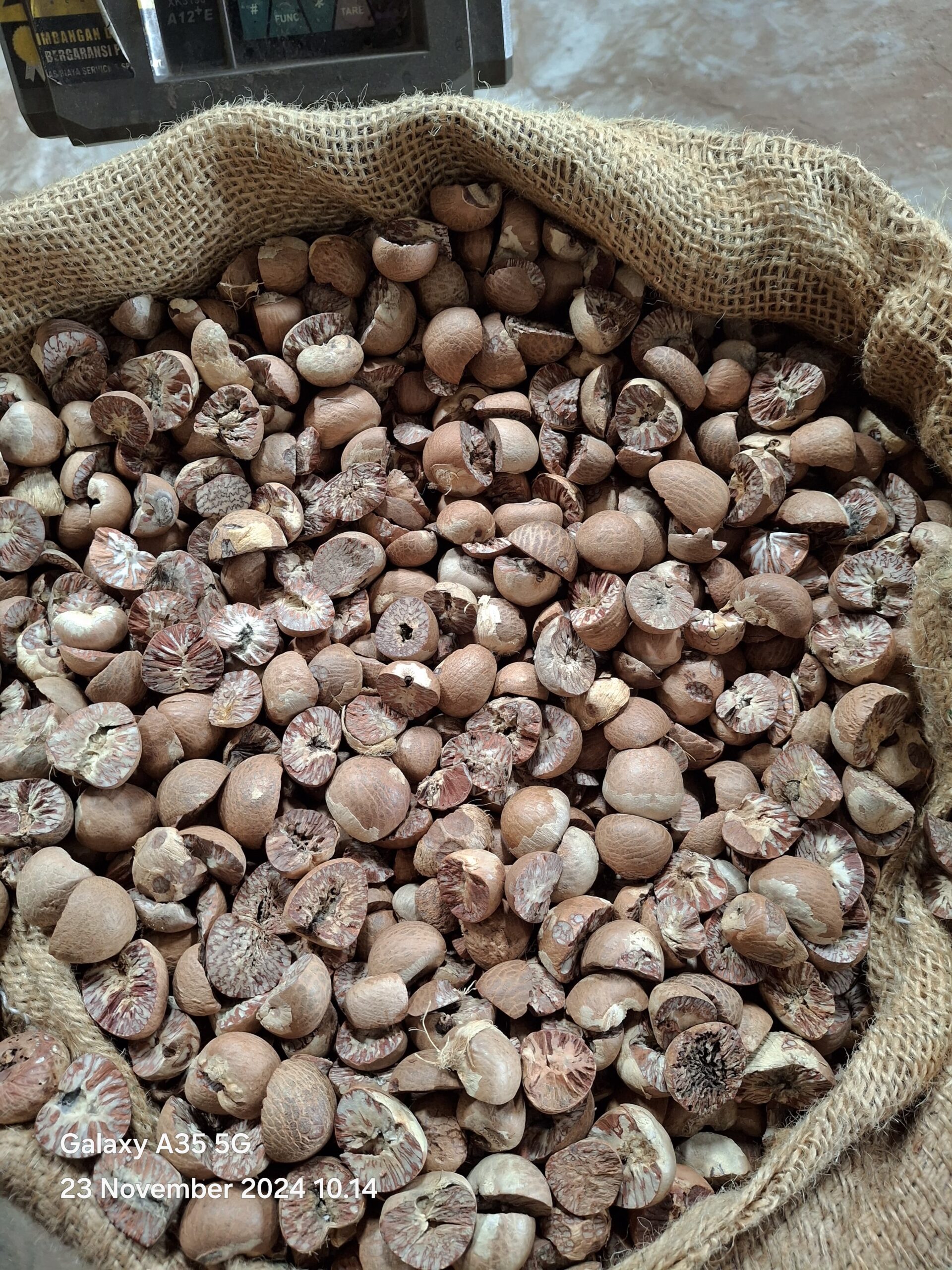
Betel nut, also referred to as areca nut, is the seed derived from the Areca palm (Areca catechu). It is primarily consumed by chewing, often in conjunction with betel leaf, and it exhibits stimulant properties akin to those of nicotine or caffeine. The nut is predominantly popular in regions including South Asia, Southeast Asia, the Pacific Islands, and parts of China.
Betel nut, also referred to as areca nut, is the seed derived from the Areca palm (Areca catechu). It is primarily consumed by chewing, often in conjunction with betel leaf, and it exhibits stimulant properties akin to those of nicotine or caffeine. The nut is predominantly popular in regions including South Asia, Southeast Asia, the Pacific Islands, and parts of China.
1. Whole Dried Betel Nut
- Typically sun-dried or mechanically dried.
- This is the most commonly exported form, widely utilized in traditional chewing practices.
2. Split Betel Nut
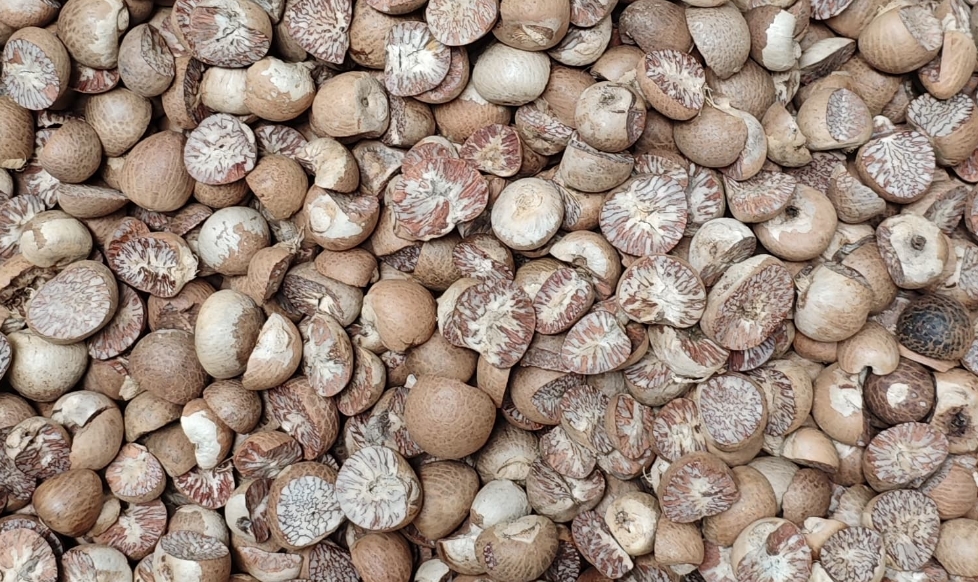
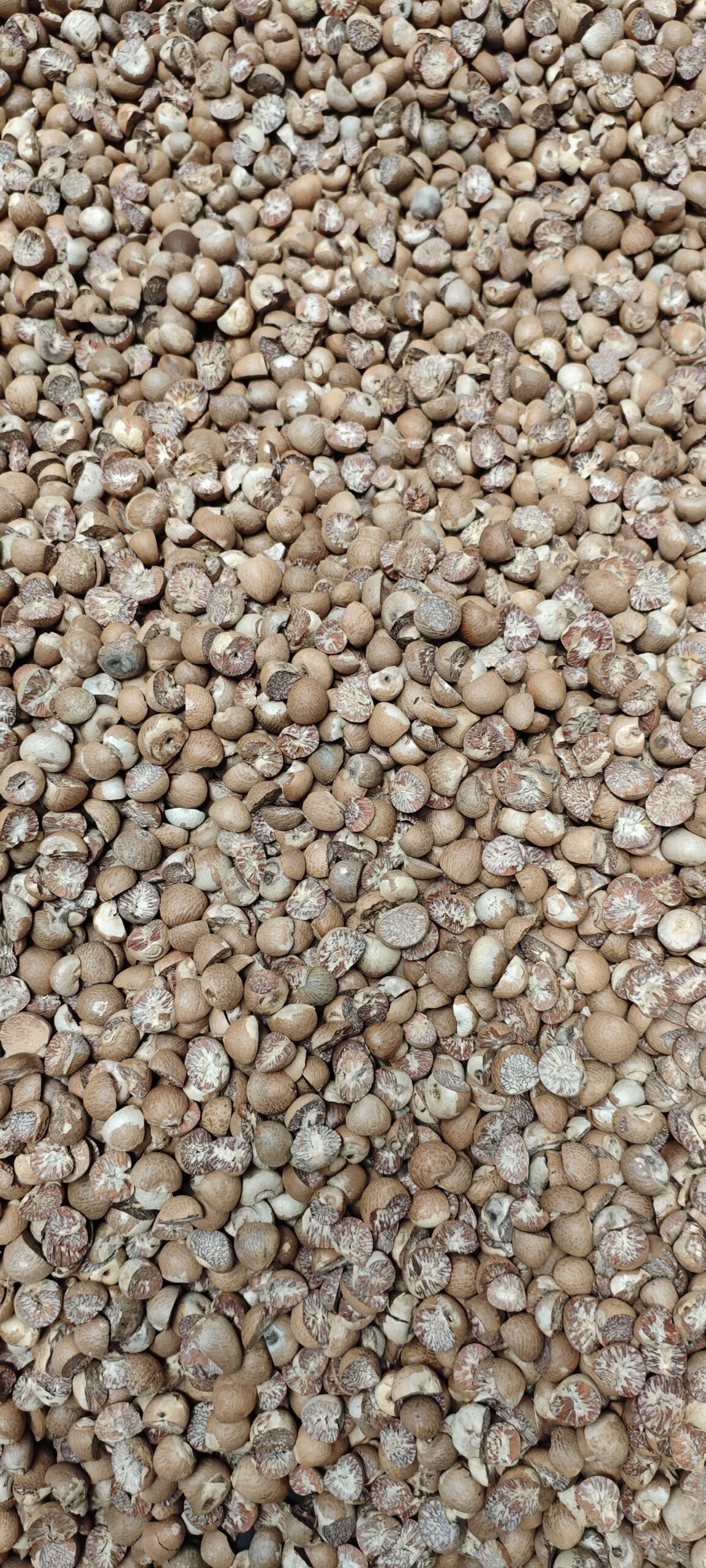
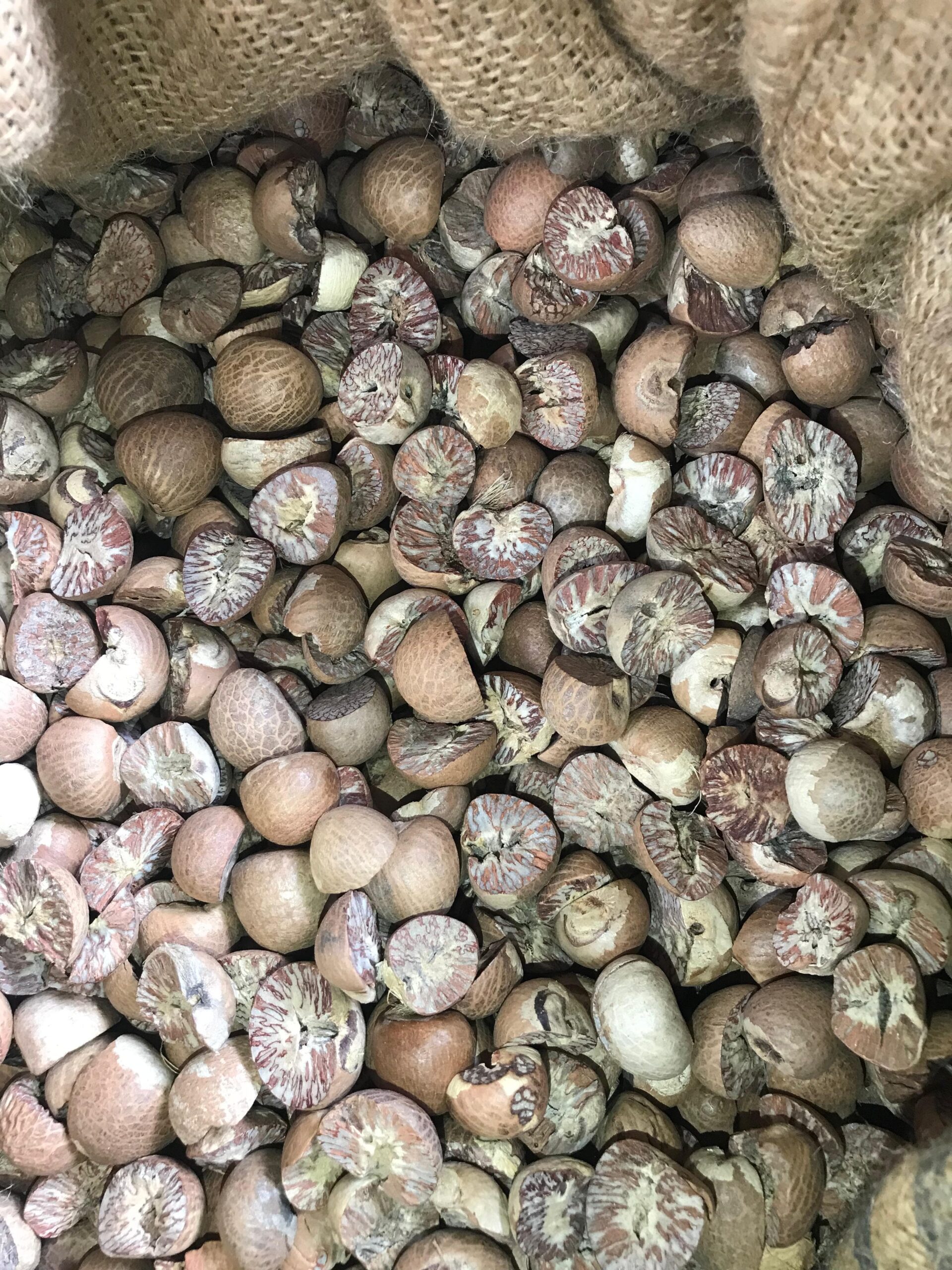
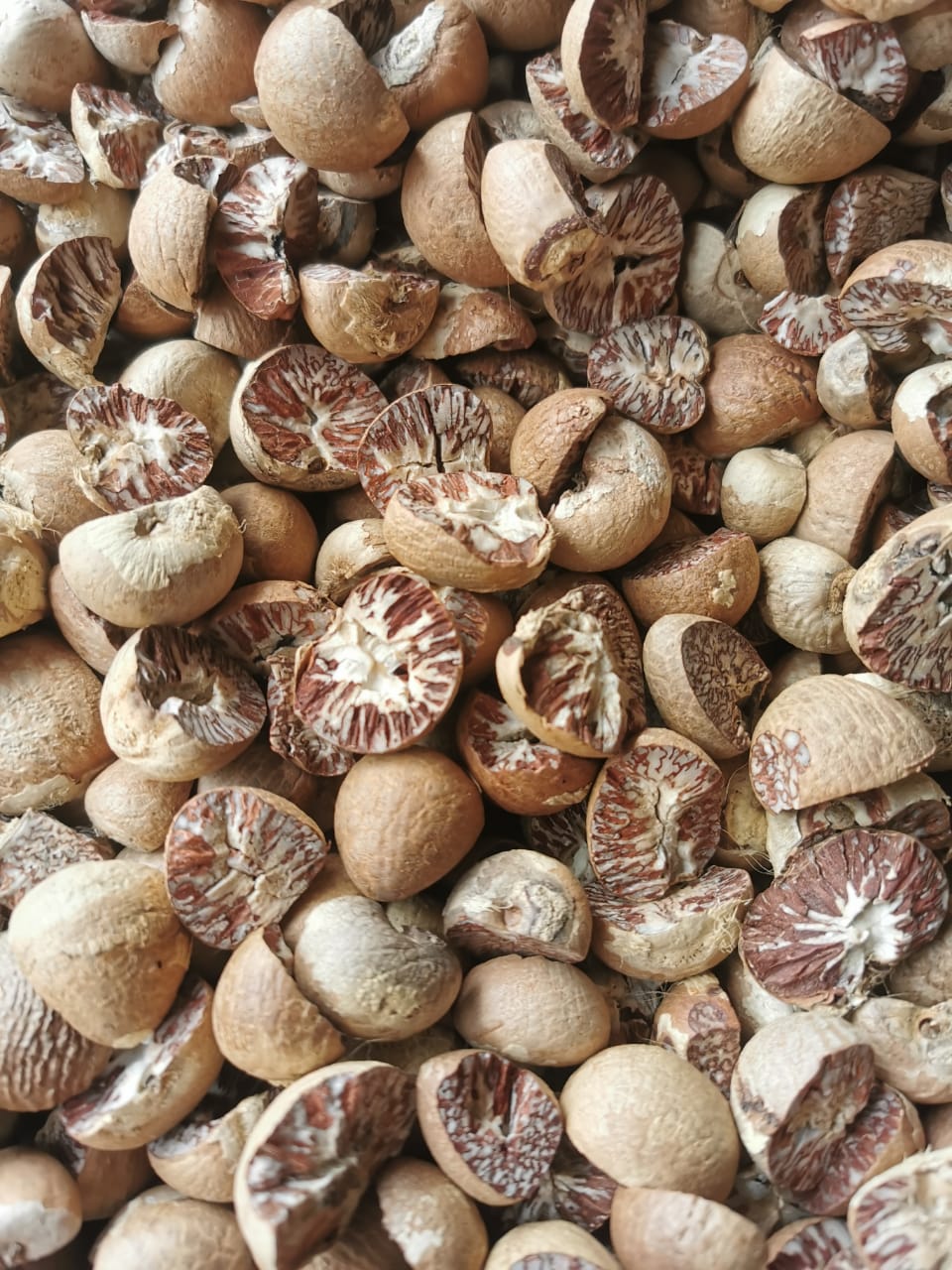
- These nuts are halved or quartered before the drying process.
- This format is easier to package and is particularly favored in countries like India and Bangladesh.
3. Boiled (Red) Betel Nut
- These nuts are boiled prior to drying, resulting in a reddish hue.
- They are often incorporated into chewing blends with betel leaf and lime.
4. Raw Fresh Betel Nut
- This type is less frequently exported due to its limited shelf life.
- Instead, it is usually reserved for local consumption or specialized fresh markets.
High Calorific Value and Heat Output
- Raw Nut: Green or fresh Betel Nut, typically used immediately or processed.
- Boiled or Dried Nut: Often sun-dried or boiled and dried for longer shelf life.
- Sliced and Fermented: Prepared for specific traditional chewing blends, varying by region
Applications of Betel Nut
- Chewing and Traditional Use: Betel nut is commonly chewed with betel leaf, slaked lime, and various spices. - It is particularly popular in India, Myanmar, Sri Lanka, Taiwan, and southern China, where it acts as a mild stimulant due to the presence of arecoline.
-
Cultural and Religious Practices: In Hindu and Buddhist rituals, betel nut plays a significant role, often being offered during weddings and temple ceremonies.
-
Traditional Medicine: In both Ayurveda and traditional Chinese medicine, betel nut is utilized as a digestive aid and an anthelmintic, aimed at expelling intestinal worms.
-
Industrial Applications:
- Pharmaceutical Industry: Arecoline, an alkaloid extracted from betel nut, is explored for its potential in deworming medications and gastrointestinal treatments, as well as being featured in various traditional medical formulations.
- Natural Dye and Tannin Extraction: The nut and its husk are rich in tannins and pigments, which are employed in leather tanning, the production of natural fabric dyes (brown-red tone), and as coloring agents in inks.
- Pesticide and Insect Repellent Formulations: Areca nut extracts are noted for their insecticidal and anti-fungal properties, finding application in eco-friendly biopesticides, especially within organic farming contexts.
- Animal Feed (Husk Residue): Post-processing, the outer husk is often ground for use in low-grade animal feed or compost, and it may also be transformed into fiber material for soil enhancement.
- Chewing Tobacco and Pan Masala Industry: In India and Southeast Asia, processed betel nut serves as a primary ingredient in products such as gutkha, pan masala, and various betel quid formulations featuring diverse flavorings and additives.
Why Is It Used as an Alternative to Coal?
- Traditional Chewing Practice: In many cultures, chewing Betel Nut is a social or ceremonial tradition. It acts as a stimulant, offering a mild euphoria and increased alertness.
-
Medicinal Uses: In traditional medicine, Betel Nut is used as a digestive aid, anti-parasitic treatment, and sometimes as a mouth freshener. However, long-term use can pose health risks.
-
Dye and Tannin Source: The nut contains tannins used in the leather tanning industry and for producing natural dyes.
-
Industrial Applications: Powdered Betel Nut is sometimes used in the production of eco-friendly bio-based adhesives and packaging materials.
-
Economic Importance: Betel Nut farming supports millions of rural households in tropical countries, especially in South and Southeast Asia.
Countries That Produce and Use Betel Nut
- Top Producers: Indonesia, India, Bangladesh, Myanmar, Sri Lanka, and Thailand are among the world’s largest producers.
-
Key Consumers: India is the largest consumer, where Betel Nut is used in “paan,” a popular chewable preparation. Other major consumers include China, Taiwan, Nepal, Papua New Guinea, and parts of Micronesia and Melanesia.
-
Export Markets: Betel Nut is exported for both raw and processed forms, primarily for chewing, traditional medicine, and industry.
Conclusion
Betel nut holds deep cultural, social, and economic significance across Asia and the Pacific. Celebrated for its traditional value and diverse uses, it plays a vital role in community customs, regional trade, and emerging industries. As a natural agricultural product, betel nut continues to support livelihoods, enhance local economies, and foster cross-border commerce — making it a strategic export with lasting impact and demand.